
How nutrition, stress, and motivation shape endurance performance
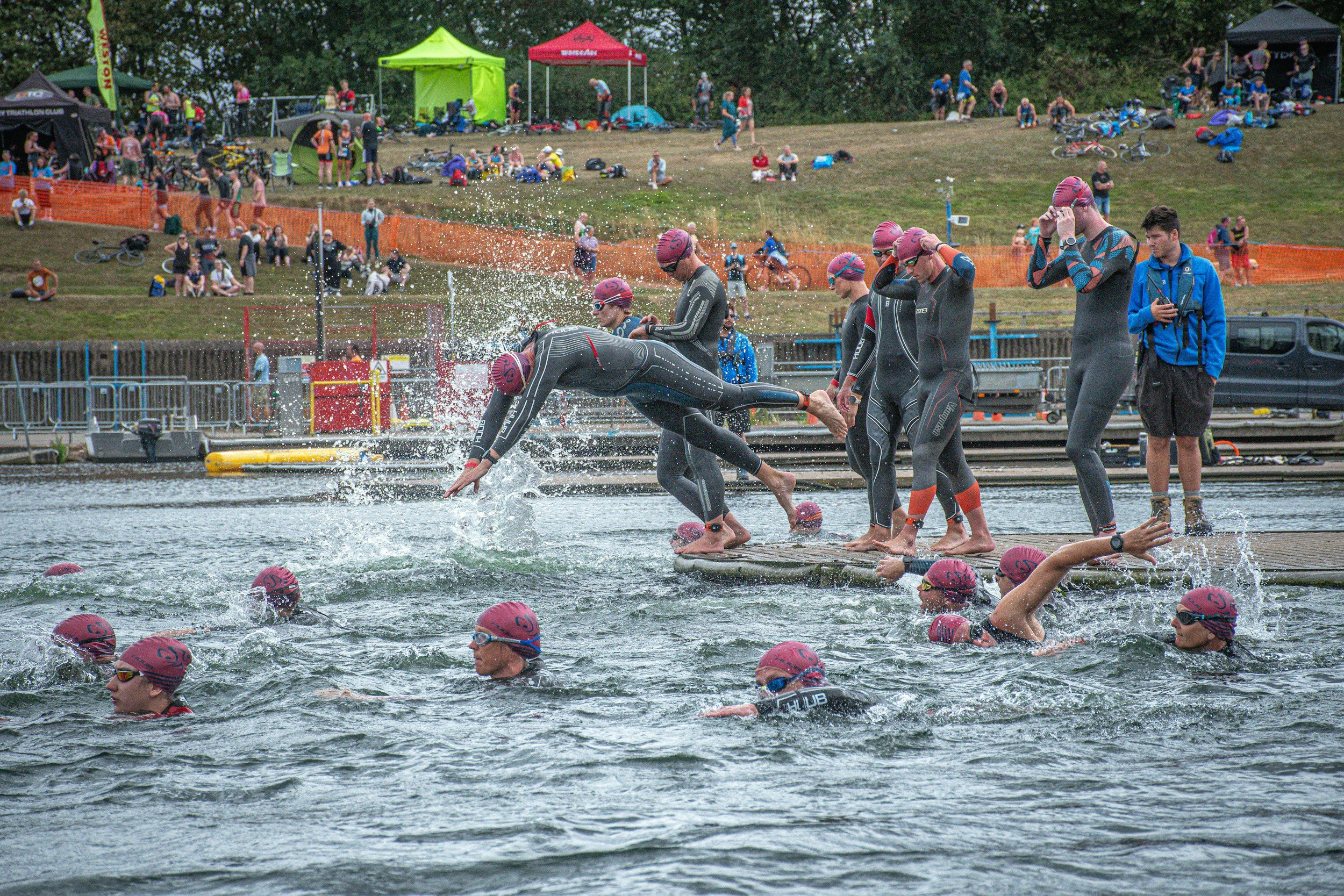
Endurance athletes are often taught to think in miles, watts, and pace. Train harder, push through, and stay disciplined; but what many athletes eventually discover is that performance does not decline all at once. It erodes quietly, through subtle changes in energy, mood, motivation, and focus. Endurance performance lives at the intersection of nutrition, stress, and motivation. When one of these systems is strained, the others follow. When all three are out of balance, the body and mind eventually hit a wall, not because the athlete is weak, but because the nervous system is depleted. This is often mislabeled as “laziness” or “lack of discipline,” when in reality, it is just burnout.
Burnout shows up long before an athlete quits. It often appears as dread rather than normal fatigue. Workouts feel heavy before they begin. Motivation fades, even for activities that once brought joy. Athletes may feel flat, disconnected, or unusually irritable, with little tolerance for stress. Withdrawal is common not because athletes do not care, but because their system is overloaded. Burnout is not a character flaw; rather, it is the nervous system running out of resources. Underfueling is one of the most overlooked contributors to performance decline. When the body does not receive enough energy, especially carbohydrates, the brain is the first to feel it. Focus drops, emotional regulation weakens, anxiety increases, and recovery slows. Many endurance athletes unintentionally underfuel, because they believe discipline or leanness will improve performance. In reality, chronic low energy availability trains the brain to operate in survival mode. Eating enough is not indulgence, it is performance care and mental health care.
Stress does not come only from training; it comes from work, relationships, sleep loss, and self-imposed pressure. The nervous system tracks total load, not the source. When stress outweighs recovery, the body stays in a constant state of vigilance. Sleep suffers, irritability increases, and motivation fades, not because the athlete no longer loves the sport, but because the system is stuck in overdrive. Managing stress isn’t about being calm all the time; it’s about restoring balance between effort and recovery.
Motivation is often framed as grit, but sustainable motivation comes from meaning, values, and choice. When motivation becomes purely outcome-driven, pace, placement, and approval, it becomes fragile. Setbacks can quickly unravel confidence and identity. Healthy motivation reconnects athletes to why they started. It allows rest without guilt and effort without self-punishment. Values-based motivation lasts longer and supports both performance and well-being. Peak endurance performance doesn’t come from pushing harder at all costs. It comes from aligning fueling, stress management, and motivation so the body and mind can adapt. If you have been feeling flat, unmotivated, or unusually irritable, it may not be a discipline problem. It may be a signal. Performance does not disappear overnight, it whispers first. Learning to listen is not weakness, it is one of the most advanced endurance skills there is.
What Actually Helps Restore Performance?
Small, consistent shifts matter more than drastic changes. Start by fueling adequately, especially around training to support both physical output and mental focus. Take inventory of total stress, not just training volume, and build in real recovery without guilt. Finally, reconnect with why you train by setting values-based goals that are not tied only to pace or outcomes. If fatigue, irritability, or loss of motivation persists, working with a professional who understands both endurance sport and mental health can help address the deeper patterns driving burnout. Do not give up!
Jenita Prasad, MA. is a psychology trainee who provides sports psychology and clinical psychology services at Endurance - A Sports and Psychology Center, Inc. To schedule an appointment with Jenita please call 510-981-1471. Jenita is supervised by Dr. Cory Nyamora, a licensed psychologist and endurance sports coach. Dr. Nyamora is the founder and director of Endurance – A Sports & Psychology Center, Inc., a company that provides psychological services and sports training and travel to people of all ages. Endurance staff provide therapy, training and workshops for organizations and athletes on topics related to the intersections of sports, performance, mental health and overall wellness. Find out more at www.endurancecenter.org or call 510.981.1471.