
Body Image in the Locker Room: When the Mirror Isn’t Neutral
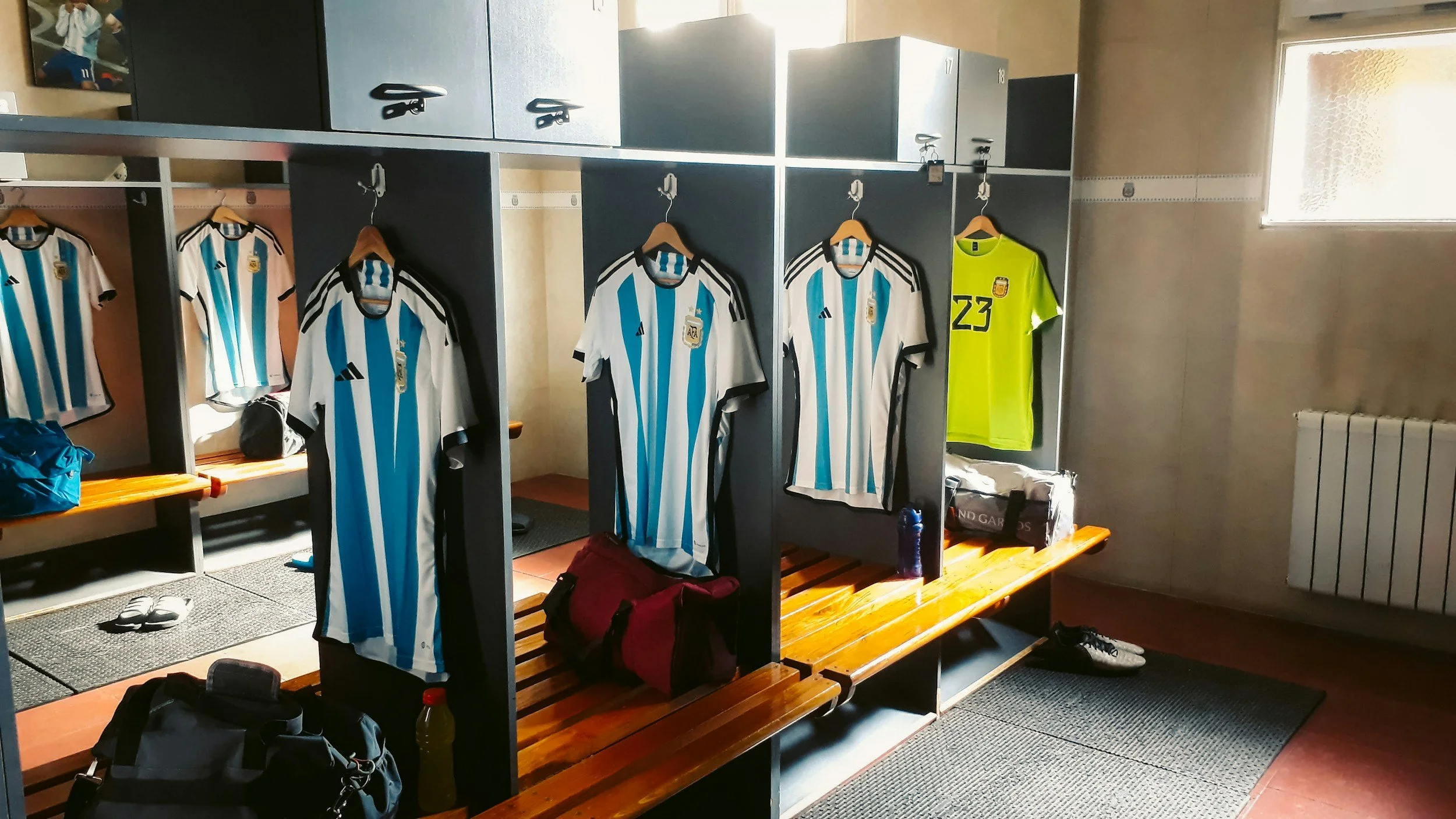
For many people, the locker room is one of the most psychologically charged spaces in a gym. It is not just a place to change clothes. It is a place where bodies are compared, evaluated, and documented. In recreational gyms especially, locker rooms have quietly become sites of body surveillance. Phones come out. Mirrors become checkpoints. Progress photos are taken not only to track physical change, but often to confirm whether effort is “paying off.” What is framed as motivation or accountability can, for many, deepen anxiety and dissatisfaction with their bodies.
This is not limited to competitive athletes or fitness influencers. Anyone who has been to a gym, regardless of experience level, has likely felt the tension that comes with being surrounded by mirrors. Bodies are at different stages and with it comes unspoken expectations. For some, this environment is energizing. For others, it becomes a source of self-consciousness that lingers long after the workout ends. One of the underlying psychological issues at play is comparison. Locker rooms create a context where comparison feels automatic. Bodies are seen side by side, often without context. We rarely know what someone else’s relationship with physical exercise or health looks like, yet the brain fills in the gaps quickly. These comparisons are rarely neutral. They tend to be critical and self-directed.
Another layer is the idea of progress documentation. Taking pictures is often justified as a way to remain accountable. While documentation can be useful for some people, it is not universally beneficial. For individuals who already struggle with body image or self-esteem, constant visual tracking can become compulsive rather than informative. The focus shifts from how the body feels or functions to how it looks in a still image, frozen under harsh lighting and selective angles. This raises an important question: is tracking always helpful? From a psychological standpoint, the answer depends on intent and emotional response. If documentation is rigidly used to criticize self or treated as proof of worth, it can reinforce negative beliefs rather than challenge them. Progress becomes narrowly defined, and anything that does not show visible change can feel like failure.
Locker rooms also highlight the disconnect between internal experience and external appearance. Someone may be stronger, more conditioned, or healthier than they were months ago. However, they may still feel uncomfortable in their body when standing in front of a mirror. It is not exclusive to a certain level of skill or experience. This reflects how body image is shaped by memory of past experiences. Current reality, then replaced by long standing narratives. Family messages, cultural expectations, and earlier experiences with teasing or criticism often show up in these moments. The locker room mirror can activate old beliefs about self worth. A bodybuilder can perceive themselves still as the skinny kid in high school, no matter how many contests they win. These beliefs do not disappear simply because someone is exercising or “doing the right things.”
From a mental health perspective, it is worth reframing what the gym is for. Movement can be about stress relief, routine, connection, or health. When the locker room becomes a place of self-judgment, it can undermine those benefits. Awareness is not about avoiding mirrors or banning photos entirely, but about noticing the motivation behind it. A useful reflection is this: after engaging in documentation or comparison, do you feel grounded or more tense? Connected to your body or more distant from it? These responses matter more than the behavior itself.
Ultimately, body image in the locker room is not just about mirrors or pictures. It is about how people relate to themselves in spaces where evaluation feels unavoidable. Creating a healthier relationship with movement often involves expanding the definition of progress and learning when observation turns into self-surveillance.
For many, that work does not happen in front of a mirror. It happens in understanding why the mirror feels so powerful in the first place.
All the best, Caelev Stephan
Caelev Stephan is a psychology trainee who provides sports psychology and clinical psychology services at Endurance - A Sports and Psychology Center, Inc. To schedule an appointment with Caelev please call 510-981-1471. Caelev is supervised by Dr. Cory Nyamora, a licensed psychologist and endurance sports coach. Dr. Nyamora is the founder and director of Endurance – A Sports & Psychology Center, Inc., a company that provides psychological services and sports training and travel to people of all ages. Endurance staff provide therapy, training and workshops for organizations and athletes on topics related to the intersections of sports, performance, mental health and overall wellness. Find out more at www.endurancecenter.org or call 510.981.1471.