Asking for help as a high-achieving athlete
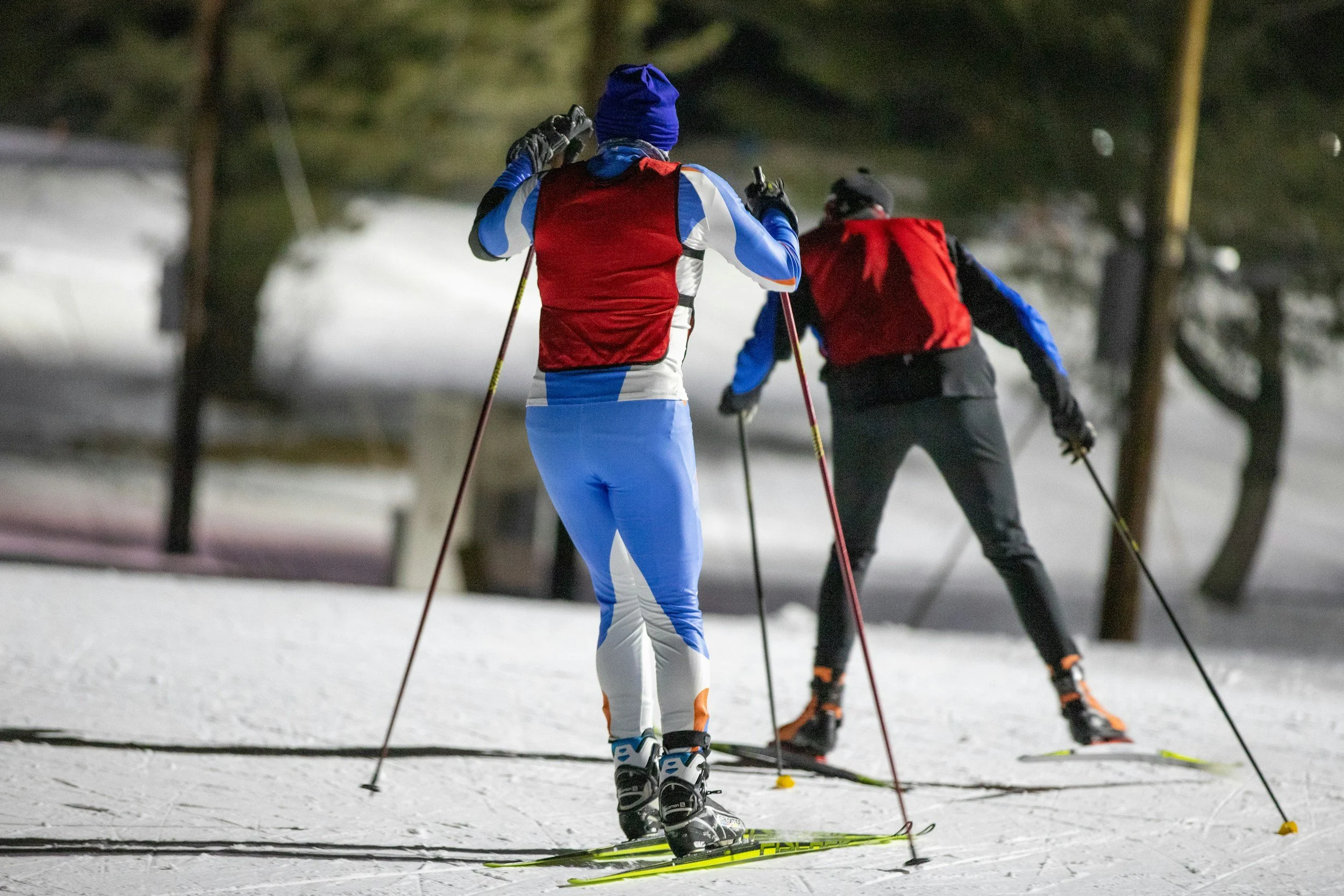
High-achieving athletes are often praised for being self-sufficient. There is a reputation of showing up early and staying consistent. In endurance sports, these qualities are not just useful, but also central to the culture. The ability to push through fatigue and persevere through the uncomfortable are treated as tokens of strength. However, over time, this same mindset can quietly make it difficult for athletes to reach out when something feels off. For many endurance athletes, asking for help doesn’t feel neutral. Sometimes, it can feel like a threat to the identity that helped them succeed in the first place. When you are used to performing at an elite level, asking for support can feel shameful. There is often an internal belief that if you were truly disciplined, you would be able to handle the adversity yourself. That belief doesn’t come out of thin air. Rather, it is reinforced every time grit is rewarded more than reflection; and when perseverance is valued more than awareness.
Endurance culture tends to frame emotional restraint as an indication of strength. Athletes learn to manage pain by remaining quiet and focused, which can be helpful when preparing for competition. However, the problem arises when that same strategy is applied to internal dialogue. Instead of recognizing some types of pain as signals worth responding to, these experiences are often minimized. Simply put, athletes will tell themselves it’s just part of the process, or that pushing harder will eventually fix it. For some athletes, this pattern predates sport. High achievers often grow up learning that being low maintenance keeps things stable. Self-described perfectionists may perceive asking for help as disruptive. The self-reliance culture is ingrained in endurance sports. What can function as a strength, can also limit flexibility.
Injury setbacks are often rooted in maladaptive rigidity in training regimen and warning signs may show up indirectly. Training can begin to feel heavier, and motivation may fade without clear reason. This may linger during injury rehabilitation, leaving athletes to feel disconnected from a sport that they once loved. These moments are not weakness, but rather characteristics of the human condition. Our bodies send us signals of pain and it can be difficult to listen and acknowledge those.
Support for athletes is offered in many different forms, through coaches, physical therapists, and individual training plans. Mental health skills operate in a similar way by helping athletes utilize effort in a more honest, self-reflective way. It doesn’t remove toughness or lower standards. These skills help athletes recognize when pushing harder is no longer the most effective move. Learning to ask for help can feel like giving something up. For high-achieving athletes, this can be one of the hardest skills to practice because they have succeeded without it for so long. However, over time, athletes can exercise this muscle of self-reflection through journaling and meditation. One skill an athlete can immediately implement is leaning more into how they are feeling versus the objective at hand. At first, it will be difficult, but adversity is no reason for complacency. The goal of self-reflection is to develop a more intimate relationship with your body. Through practice, recovery can be more of an honest process that is built by the community and support system around them.
Endurance is often defined by how much someone can carry their own. Sometimes, real strength shows up in recognizing when you don’t have to carry everything alone.
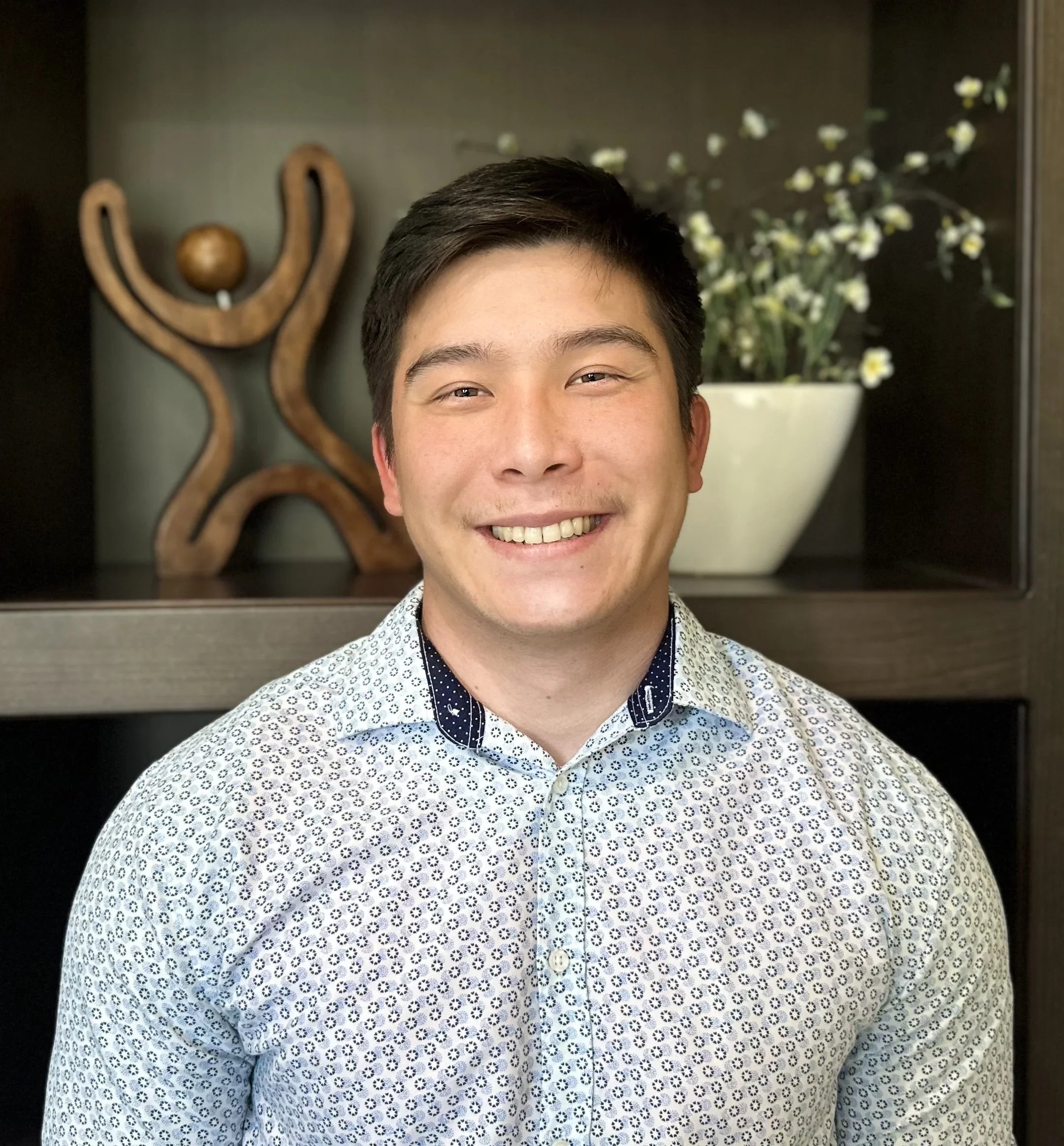
Caelev Stephan is a psychology trainee who provides sports psychology and clinical psychology services at Endurance - A Sports and Psychology Center, Inc. To schedule an appointment with Caelev please call 510-981-1471. Caelev is supervised by Dr. Cory Nyamora, a licensed psychologist and endurance sports coach. Dr. Nyamora is the founder and director of Endurance – A Sports & Psychology Center, Inc., a company that provides psychological services and sports training and travel to people of all ages. Endurance staff provide therapy, training and workshops for organizations and athletes on topics related to the intersections of sports, performance, mental health and overall wellness. Find out more at www.endurancecenter.org or call 510.981.1471.*