
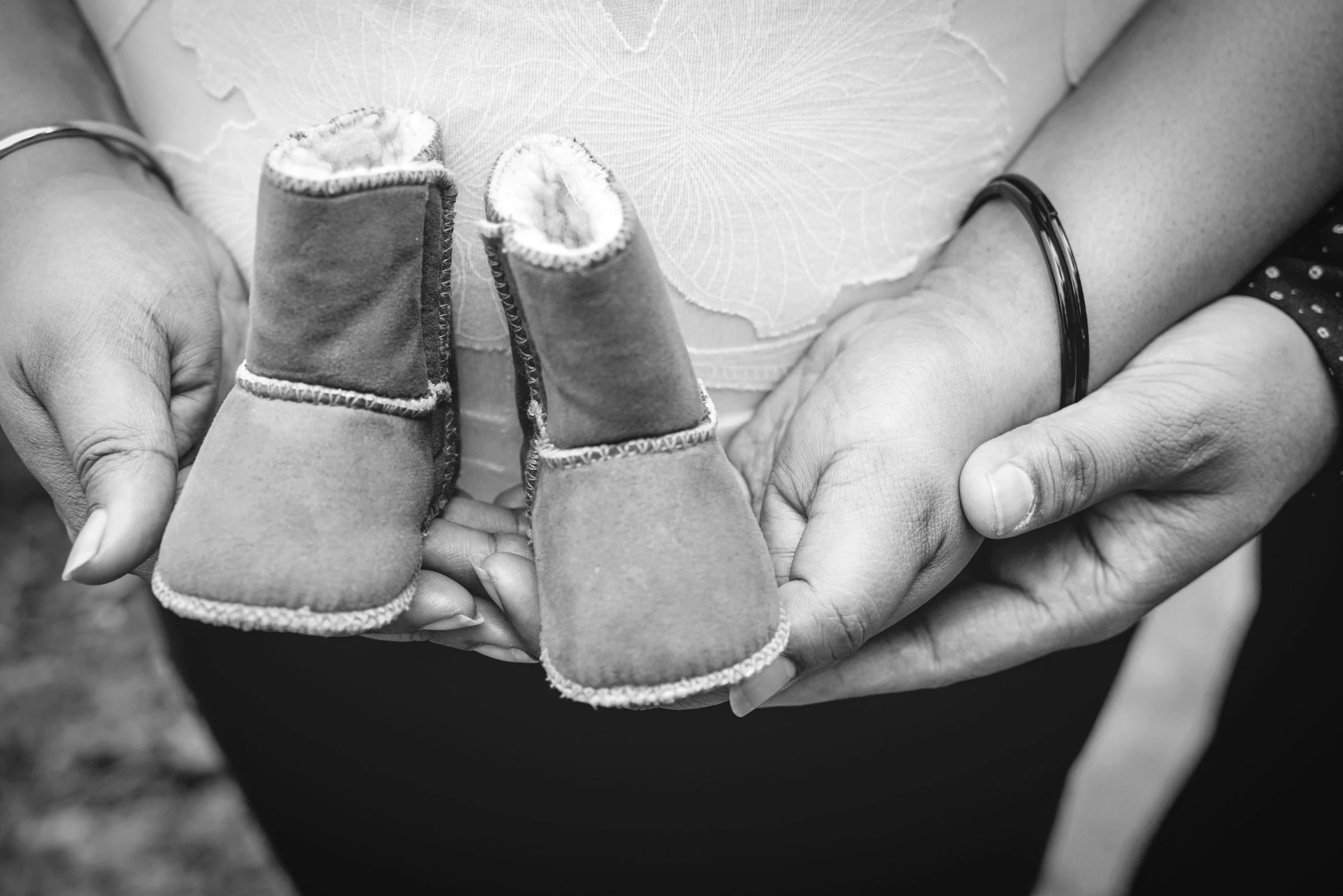
Adoption of any kind can be a complicated process. However, transracial adoption (TA) can present with its own challenges. The term transracial adoption is defined as “the placement of a child of one race or ethnic group with adoptive parents of a different race or ethnic group” (Castner, 2023). TA accounts for 40% of all adoptions in America according to the American Bar Association. There is a school of thought in which people believe that adoptees and biological children should be raised identically, however, with distinct backgrounds it is important that differences be acknowledged.
Some common struggles that may be experienced by transracial adoptees are: identity confusion, lack of cultural heritage education, and discrimination. Even if there is not one way to be of a particular race, transracial adoptees may feel they don’t belong in any race, for example, if they are Black in a White family they may not feel “Black” or “White” enough. Media portrayals greatly influence identity development in today's world. Seeing one image of how a race is portrayed and then experiencing another way of being your race at home can be deeply confusing for identity development. The lack of a shared racial experience with the adoptive family may feel isolating.
Disconnection from the adoptee’s culture of origin may result in a delayed or lost understanding of their cultural norms, language and traditions. This can create an unwillingness to engage in exploration of their heritage. Some families may approach TA in a “color-blind” manner, however, this approach directly ignores historical racial disparities, increases feelings of shame for being different, and reinforces hesitancy in self-exploration.
To be clear, discrimination is not made more likely by TA. However, it can be experienced differently. Microaggressions and invalidation from members within the TAs shared race may be related to their upbringing and aforementioned cultural disconnection as well as differences in life experiences. Inside the home, a TA experiences the safety of the privileges afforded to them within the family, however, when they go out into the world, it can be jarring to experience the treatment of being a racial minority and the potential discrimination that they may face.
Adoption is a wonderful way in which loving people can expand their homes to make room for those who need it. However, as previously mentioned, when considering a TA, or after a TA, parents should strive to educate themselves on the cultural impacts, specific challenges, and how best to support their child to ensure the most successful development and bond possible.
I’ve attached some resources to learn more about transracial adoption below:
Website: Tips for a Successful Transracial Adoption
Book: "You Should be Grateful"
Learn more about me and reach out if you need any support related to transracial adoption. I provide therapy to parents, children and families.
Contact us if you'd like to schedule an appointment.
Rebecca Petty, MS. is a psychology trainee who provides sports psychology and clinical psychology services at Endurance - A Sports and Psychology Center, Inc. To schedule an appointment with Rebecca please call 510-981-1471. Rebecca is supervised by Dr. Cory Nyamora, a licensed psychologist and endurance sports coach. Dr. Nyamora is the founder and director of Endurance – A Sports & Psychology Center, Inc., a company that provides psychological services and sports training and travel to people of all ages. Endurance staff provide therapy, training and workshops for organizations and athletes on topics related to the intersections of sports, performance, mental health and overall wellness. Find out more at www.endurancecenter.org