
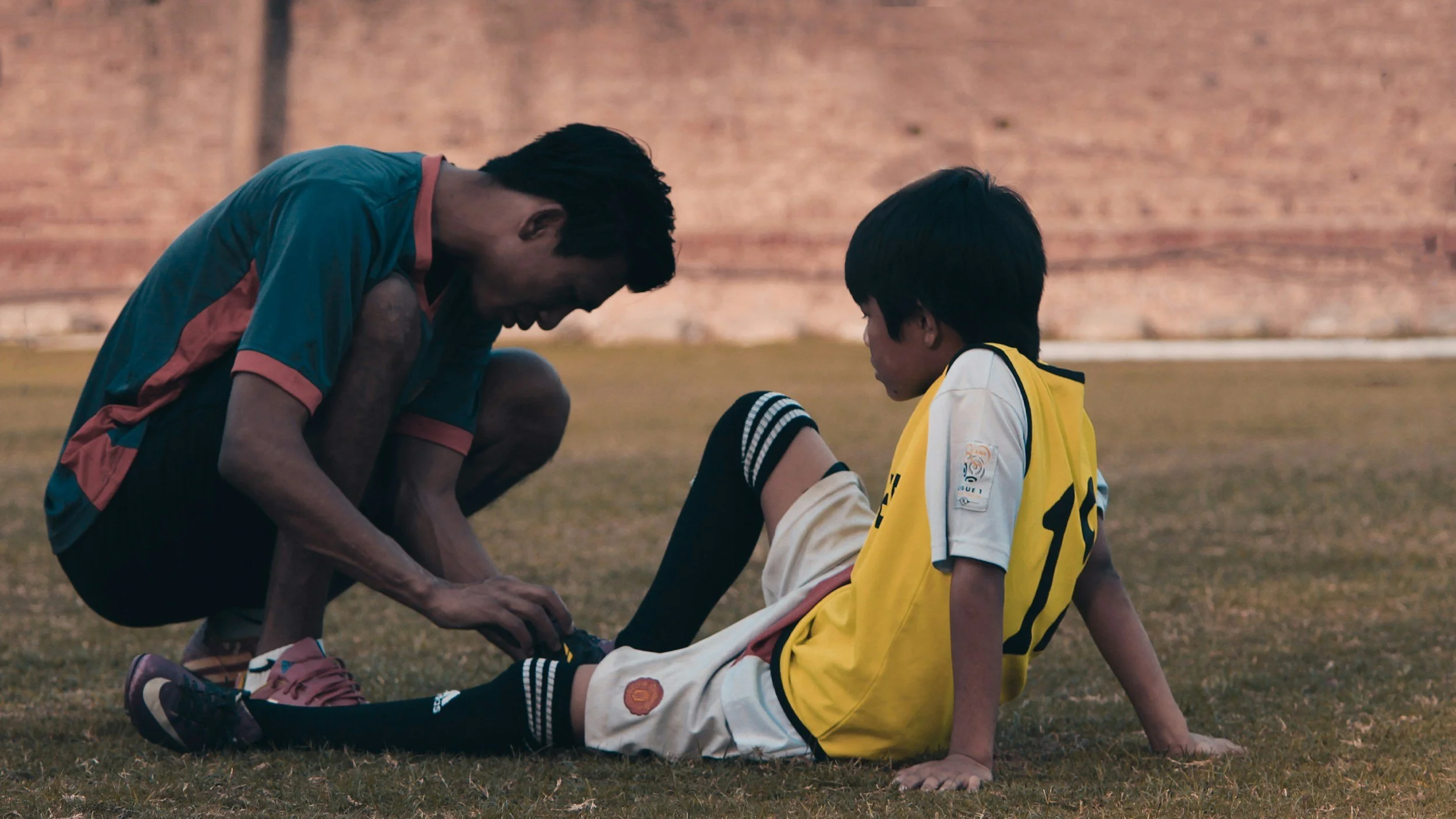
Parents are often the biggest supports of athletes across the lifespan. They drive to practices, attend competitions and games, invest time and money, celebrate accomplishments, and provide encouragement through challenging times. In many cases, parental pressure comes from care, investment, and a genuine desire to see an athlete succeed.
Sometimes support may feel more like pressure, often when conversations become heavily focused on performance, outcomes, playing time, rankings, scholarships, statistics, or future opportunities. It may also show up in ways such as a disappointed expression after a missed goal, comparison to teammates, frequent post-game critiques, or reminders of the sacrifices being made for an athlete’s sport may carry more weight than a parent intends.
Over time, athletes may begin to internalize messages such as “I have to make this worth it” “I can’t disappoint them” “I have to perform well so I don’t fail.” When performance begins to feel connected to approval, identity, or self-worth, the emotional impact can extend beyond the field, court, arena, or track. Athletes may experience increased anxiety, perfectionism, fear of failure, self-doubt, reduced enjoyment, or burnout. Some may become so focused on avoiding mistakes that they lose the freedom and confidence that once helped them perform well.
The difference between support and pressure often comes down to what receives the most attention. Support tends to emphasize effort, growth, enjoyment, learning, and the athlete’s individual goals. Pressure is more likely to center on outcomes, comparison, achievement, and avoiding mistakes.
For parents, one of the most helpful questions may simply be “What kind of support would be most helpful to you right now?” Sometimes athletes want feedback. Other times, they may need encouragement, space to process, or simply a parent who is willing to listen. Parents can also help by allowing coaches to handle coaching, avoiding immediate performance analysis after competition, and recognizing accomplishments that have nothing to do with winning. Showing interest in how an athlete felt, what they learned, or what they enjoyed can communicate that their experience matters just as much as the result.
Athletes also benefit from knowing that their identity extends beyond their sport. A difficult game, missed shot, dropped pass, slow race, or disappointing competition says something about one performance, not about the athlete’s worth as a person. Healthy expectations can motivate athletes to grow. The goal is not to remove expectations entirely, but to create an environment where athletes feel challenged and supported. Athletes need room to strive, struggle, make mistakes, and succeed without feeling that their performance determines their worth, and with the confidence that their parents will be there to support them through it all.
Chloe Haws, MA. is a psychology trainee who provides sports psychology and clinical psychology services at Endurance - A Sports and Psychology Center, Inc. Chloe is supervised by Dr. Cory Nyamora, a licensed psychologist, endurance sports coach and the founder and director of Endurance – A Sports & Psychology Center, Inc. Chloe has been riding and competing in different English equestrian disciplines since age four. She is an Army veteran with clinical experience across outpatient, inpatient, and school-based settings. Her clinical interests include anxiety, stress, performance, confidence, and helping individuals develop practical strategies that support both psychological well-being and meaningful performance. Find out more at https://www.endurancecenter.org/chloehaws To schedule an appointment with Chloe please call 510-981-1471.